Home improvement projects often start with a feeling rather than a plan. Maybe your kitchen feels tired, your living space no longer fits your lifestyle, or you’re thinking ahead to selling in the future. Whatever the motivation, choosing the right improvements can make a real difference, not just to how your home looks, but to how it functions and how much it’s worth.
Not all upgrades deliver the same return, though. Some home improvement projects add long-term value, while others are more about personal preference. Below, we explore seven improvements that consistently enhance both everyday living and property value, along with guidance on how to approach them thoughtfully.
1. Kitchen Improvements That Improve Flow

The kitchen is often the heart of the home, so it’s no surprise that it’s one of the most valuable areas to improve. Modern layouts that prioritise light, storage, and flow are particularly appealing.
This doesn’t always mean a full rebuild, sometimes reconfiguring the layout or extending slightly can transform how the space works day to day.
For homeowners considering kitchen extensions, the focus should be on practicality: better storage, clear work zones, and space to gather. These improvements consistently rank highly among value-adding home improvement projects.
2. Adding Living Space With an Extension
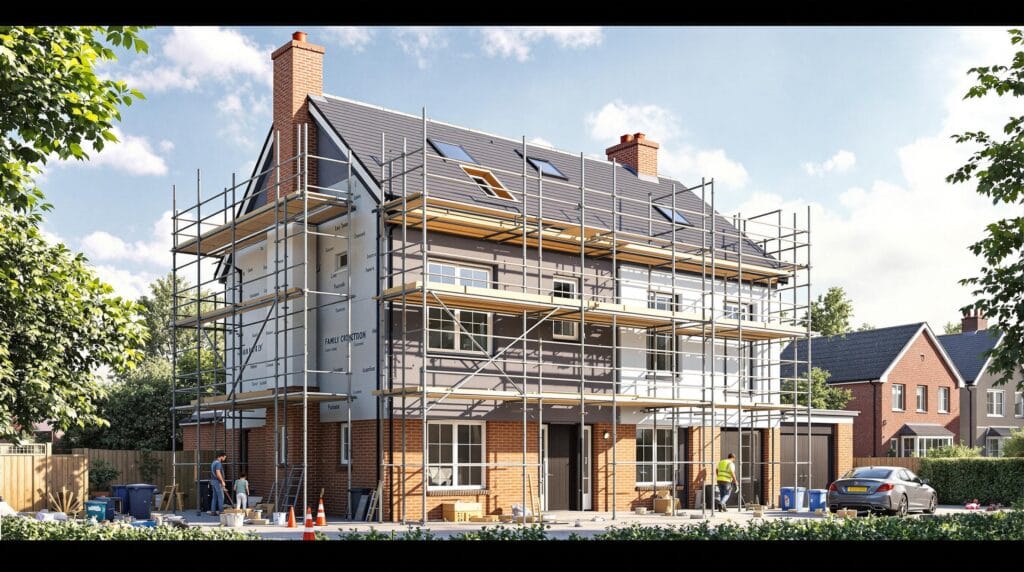
One of the most effective ways to add value is to increase usable living space. Extensions allow homes to grow with changing needs, whether that’s an extra dining area, family room, or home office.
Projects like rear extensions are particularly popular because they can open up the back of the house while maintaining the original character of the property. From a value perspective, additional square footage, when well designed, is always appealing to future buyers.
3. Bathroom Upgrades That Feel Timeless
Bathrooms are another key decision-maker for buyers and homeowners alike. Outdated fittings or impractical layouts can instantly date a property. Thoughtful upgrades such as walk-in showers, improved ventilation, and better lighting can make a big impact without overwhelming the space.
These are often considered easy home improvement projects because they focus on functionality rather than structural change, yet they still add noticeable value when done well.
4. Improving Energy Efficiency
Energy-efficient homes are becoming increasingly desirable. Improvements like better insulation, upgraded windows, and efficient heating systems don’t just reduce bills, they make homes more comfortable year-round.
While these upgrades may not always be immediately visible, they contribute to long-term value and appeal. Many homeowners overlook this category, but it’s one of the smartest home improvement projects to plan if you’re thinking ahead.
5. Creating Flexible, Multi-Use Spaces
Modern homes are expected to adapt. Spare rooms that double as home offices, guest bedrooms, or hobby spaces are more valuable than ever. Even small layout changes, such as built-in storage or movable partitions, can dramatically increase versatility, helping you maximise every inch of space in your renovation.
This flexibility is especially appealing to families and remote workers and is often achieved through easy home improvement projects rather than major structural changes.
6. Enhancing Outdoor Living Areas
Outdoor space is an extension of the home itself. Simple improvements like patios, decking, or garden seating areas can significantly improve how a property is used and perceived.
These upgrades are often classed as easy home improvement projects because they don’t disrupt daily life indoors, yet they can dramatically improve lifestyle appeal and value.
7. Small Improvements That Add Up
Not all value-adding upgrades need to be large-scale. In fact, many homeowners underestimate the impact of small changes. Fresh paint, improved lighting, updated flooring, and better storage solutions all contribute to a more polished, functional home.
How to Plan Home Improvement Projects Effectively?

Knowing how to plan home improvement projects is just as important as choosing the right ones. Start by identifying your long-term goals, are you improving for yourself, future resale, or both? From there, prioritise projects that improve layout, functionality, and efficiency.
Budgeting realistically allows for flexibility, while understanding how different upgrades interact can help prevent costly mistakes. Careful planning also ensures improvements make sense for your space.
Professional guidance can help align your ideas with what’s practical and achievable, particularly when projects involve layout changes or extensions. Exploring expert support through home improvement and extension services, or broader design and planning expertise, can provide clarity early in the process.
Best ways to get started organising a home renovation
The best home improvement projects aren’t always the biggest or most expensive, they’re the ones that improve how your home works while enhancing its long-term value. From kitchen upgrades and extensions to energy efficiency and small functional improvements, thoughtful choices can transform both daily living and future appeal.
By understanding which home improvement projects add value and learning how to plan home improvement projects carefully, homeowners can invest with confidence and create spaces that truly stand the test of time.Ready to get started? Explore our expert home improvement and extension services to plan your renovation with clarity, confidence, and long-term value in mind. Get in touch and let’s see what home improvements we can support you on today!
If you are planning a similar project, CGA can help turn early ideas into workable drawings through our home extension design service, check whether planning permission is needed, and coordinate the wider design and build process.