
A home renovation is exciting, but it can also be disruptive, messy, and overwhelming if it isn’t carefully planned. From managing clutter to sticking to schedules, organising your home during renovation is just as important as choosing finishes or layouts. With the right approach, you can reduce stress, protect your belongings, and keep your project moving smoothly.
Whether you’re tackling a single room or planning a full property overhaul, understanding how to plan a home renovation properly will make all the difference.
Start with a Clear Renovation Plan
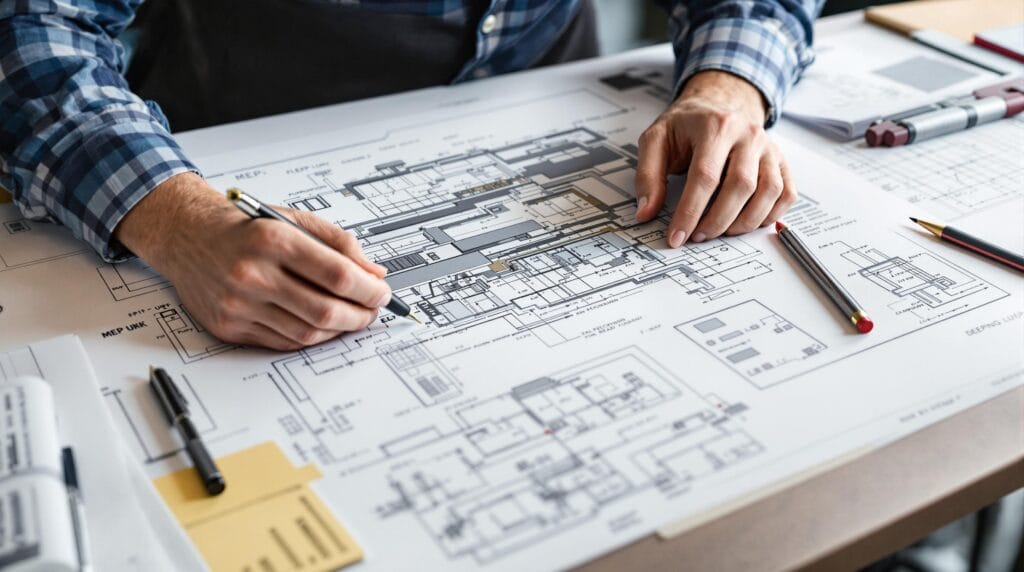
Effective home renovation planning begins long before any work starts. Before trades arrive or materials are delivered, take time to define the scope of your project. Identify which areas of your home will be affected, how long the work is expected to take, and whether you’ll be living in the property during renovations.
Create a written plan outlining:
- The rooms involved
- Key renovation stages
- Storage and access needs
- Temporary living arrangements if required
This early clarity helps you stay organised and prevents last-minute decisions that can derail timelines and budgets.
How to Plan a Home Renovation Timeline
One of the most important parts of organising a home renovation is building a realistic schedule. Renovation timelines often run longer than expected, so it’s important to allow flexibility.
When learning how to plan a home renovation timeline, consider:
- Times for materials and fixtures
- The order in which work must be completed
- Possible delays due to weather or supply issues
- Inspection and approval stages
Break the project into phases and assign timeframes to each. This not only helps you manage expectations but also allows you to organise your home accordingly, sealing off rooms, relocating furniture, or planning time away if needed.
Declutter Before Renovations Begins
Renovations are the perfect opportunity to declutter. The fewer items you have in your home, the easier it is to keep spaces organised and protected.
Before work begins:
- Remove unnecessary furniture, décor, and personal items
- Donate, sell, or dispose of things you no longer need
- Pack away seasonal or rarely used items
Decluttering early reduces the risk of damage and makes it easier for contractors to work efficiently.
Create Temporary Living Zones
If you’re living at home during renovations, setting up temporary zones is essential. Identify which rooms will remain usable and organise them to support daily life that way you can ensure you still have a functional home during your renovation.
For example:
- Create a temporary kitchen if your main one is being renovated
- Designate quiet spaces for work or rest
- Keep children’s or pets’ areas safely separated from construction zones
Clear boundaries between “live” areas and renovation zones help maintain some normality and keep your home functional throughout the process.
Protect and Store Your Belongings
Protecting your belongings is a key part of organising your home during renovation. Dust, debris, and accidental damage are common, so preparation is vital.
Tips include:
- Using protective covers for furniture
- Sealing boxes clearly and labelling contents
- Storing valuable or fragile items off-site if possible
- Keeping essential items easily accessible
If space allows, consider renting temporary storage to keep your home less cluttered and safer during works.
Maintain Organisation Throughout the Project
Organisation doesn’t stop once renovation begins. As the project progresses, materials, tools, and deliveries can quickly take over your space.
To stay organised:
- Regularly clear walkways and access points
- Keep renovation paperwork, invoices, and plans in one place
- Communicate regularly with contractors about schedules and access needs
- Tidy up at the end of each day where possible
Staying on top of small tasks prevents chaos from building up over time.
Plan for Disruption – and Be Flexible
Even with careful home renovation planning, unexpected issues can arise. Structural discoveries, delivery delays, or changes in scope are common. Building flexibility into your plans helps you adapt without unnecessary stress.
Understanding how different upgrades affect one another can also prevent costly mistakes. For example, electrical or plumbing changes may impact timelines for flooring or plastering, so coordination is key.
Seek Professional Guidance Early

Professional input can make organising a home renovation far easier. Designers, design professionals, or renovation specialists can help align your ideas with what’s practical, ensuring your project runs efficiently and cohesively.
You don’t need to make your next project challenging, with our expertise we can help you and provide you with all the information you need when planning your home transformation from planning permission submissions to realistic timeframes.
Early expert guidance is particularly valuable when:
- Managing complex layouts
- Planning extensions
- Coordinating multiple trades
- Creating a realistic renovation timeline
With the right support, you can avoid common pitfalls and feel confident at every stage of the process.
Start organising your home renovation today
Organising your home during renovation requires planning, patience, and flexibility, but the payoff is worth it. By understanding how to plan a home renovation, creating a realistic timeline, and staying organised throughout the process, you can reduce disruption and enjoy a smoother renovation experience.
Thoughtful organisation not only protects your home and belongings but also helps ensure your renovation delivers lasting value, functionality, and comfort for years to come.
Want more advice or you want to get started straight away? Contact us today and let’s plan renovations that will make the most out of your home.
For similar projects, CGA can help assess the existing structure, develop practical layouts and prepare drawings through our property conversion service, with support for planning permission where required.